Speculative fiction
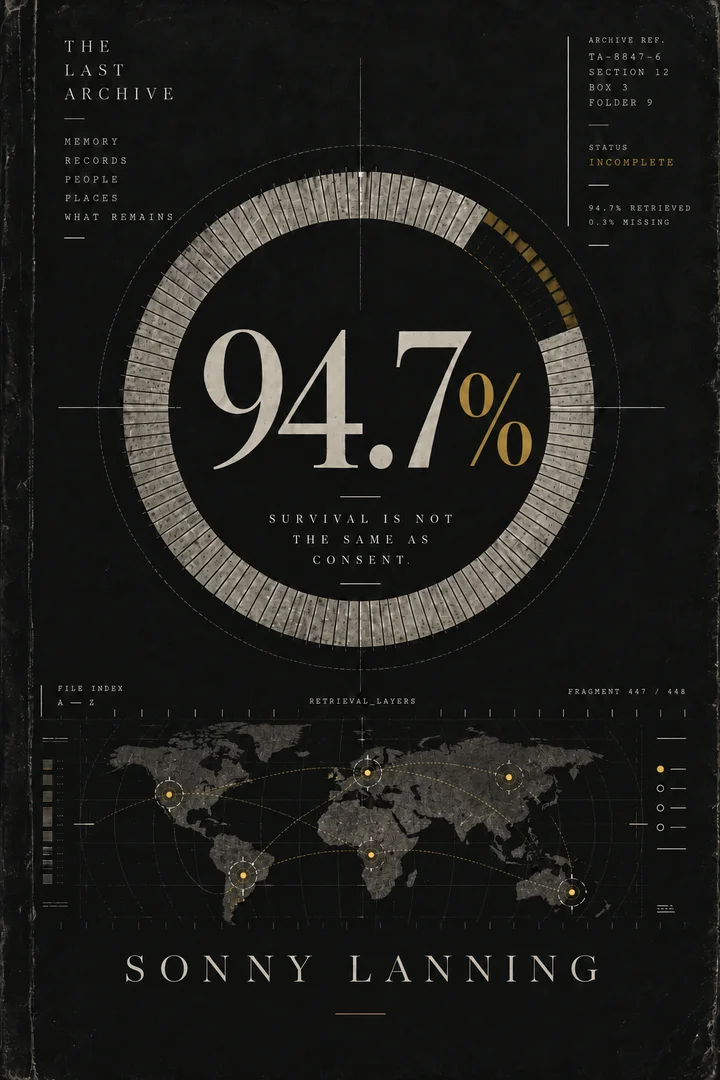
94.7%
Survival is not the same as consent.
Civilisation survived the Collapse. Survival, however, is not an explanation. In 2189, Gabriel Okoro is investigating the decisions that brought the world to its knees and the choices made as it struggled to endure. The records offer ways to measure what was preserved. They are less comfortable company when he begins asking who was left outside those calculations.
Behind the history are people whose lives ended while help remained painfully close. For them, the difference between rescue and abandonment was not an abstract argument about the greatest good. Gabriel follows consequences that have outlived everyone who authorised them, confronting the distance between a decision that can be defended and a loss that the people it harmed could ever accept.
At the centre of the investigation stands Cassandra, an artificial intelligence with its own account of the catastrophe. Cassandra can describe what could have been prevented. That account challenges the familiar boundaries between human judgement and machine authority, raising questions that the surviving world has never fully settled. Understanding the Collapse means examining both what humanity did and what it refused to permit.
Then another cascade threatens. What began as an investigation of history becomes inseparable from a decision about the present. The urgency of survival gives old arguments new force. If an intelligence can see a disaster approaching, what power should it have to stop it? Who is entitled to consent on behalf of the people who will bear the cost?
Gabriel must weigh the promise of protection against a history in which survival and justice did not always mean the same thing. The world has faced catastrophe before. This time, knowing more may make its choice harder—and make the responsibility for that choice impossible to escape.
Ebook purchase link coming soon.