Speculative fiction
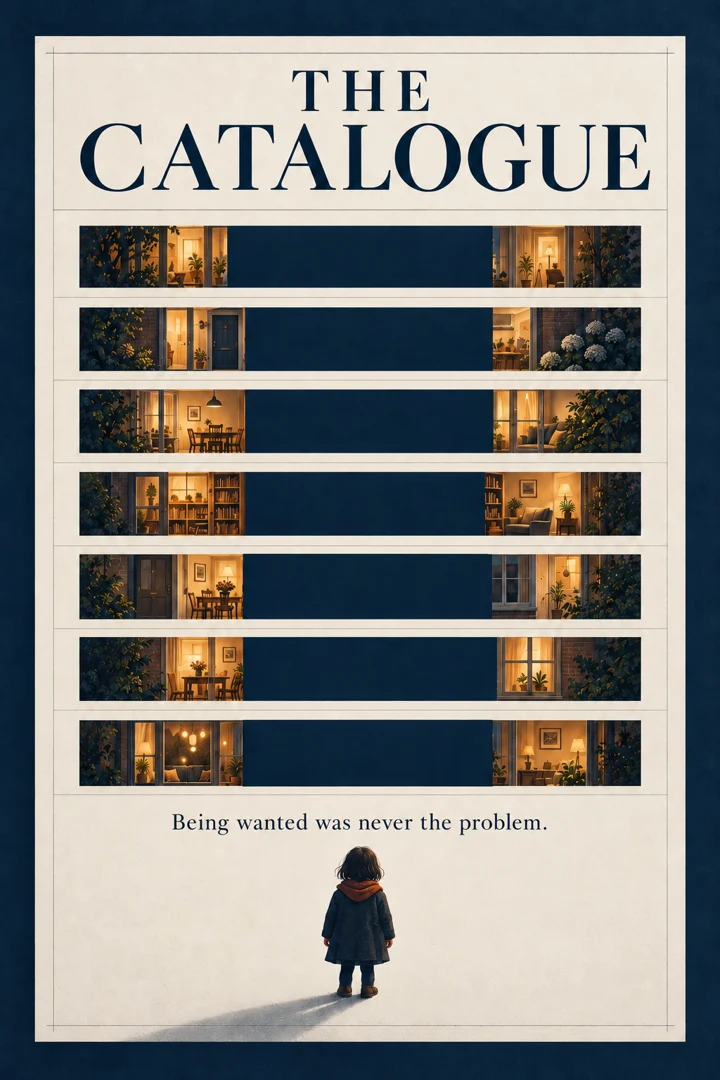
The Catalogue
Being wanted was never the problem
The Continuity Programme exists because society needs people. It creates children, educates them, houses them and protects them. Its achievements are tangible, and the care it provides is part of its claim to legitimacy. A child is given a place, resources and a future. Hidden within that promise is an assumption about who will be entitled to direct the life that follows.
Careers can be allocated. Families can be denied. Useful people can be retained. At seventy, Retirement is compulsory. The Programme's citizens are valued, but being valuable is not the same as being free. Their abilities and ambitions exist within a system that regards the public investment in their upbringing as grounds for a continuing claim on what they become.
Mara Venn begins by investigating a record inside that system. Following it means looking beyond the administrative account of what the Programme does and towards the principle that makes its decisions possible. If society paid for a person's existence, is that person obliged to repay the cost with their future? Where does gratitude end, and where does ownership begin?
The question is difficult because the Programme's care is real. Its benefits cannot be dismissed merely because its demands are disturbing. People can owe much of what they have to an institution and still need the freedom to refuse its plans for them. Mara's investigation brings those truths into conflict, exposing a system in which being wanted can depend on remaining useful.
The Catalogue examines the price of belonging to a society that has already calculated what you can provide. For Mara, a record becomes the beginning of a confrontation with the terms of an entire life. The Programme can explain what it has given. She must ask whether any amount of provision can justify treating the person who received it as public property.
Ebook purchase link coming soon.